Galápagos is one of those places that sits on almost everyone’s bucket list, and last autumn it was finally my turn.
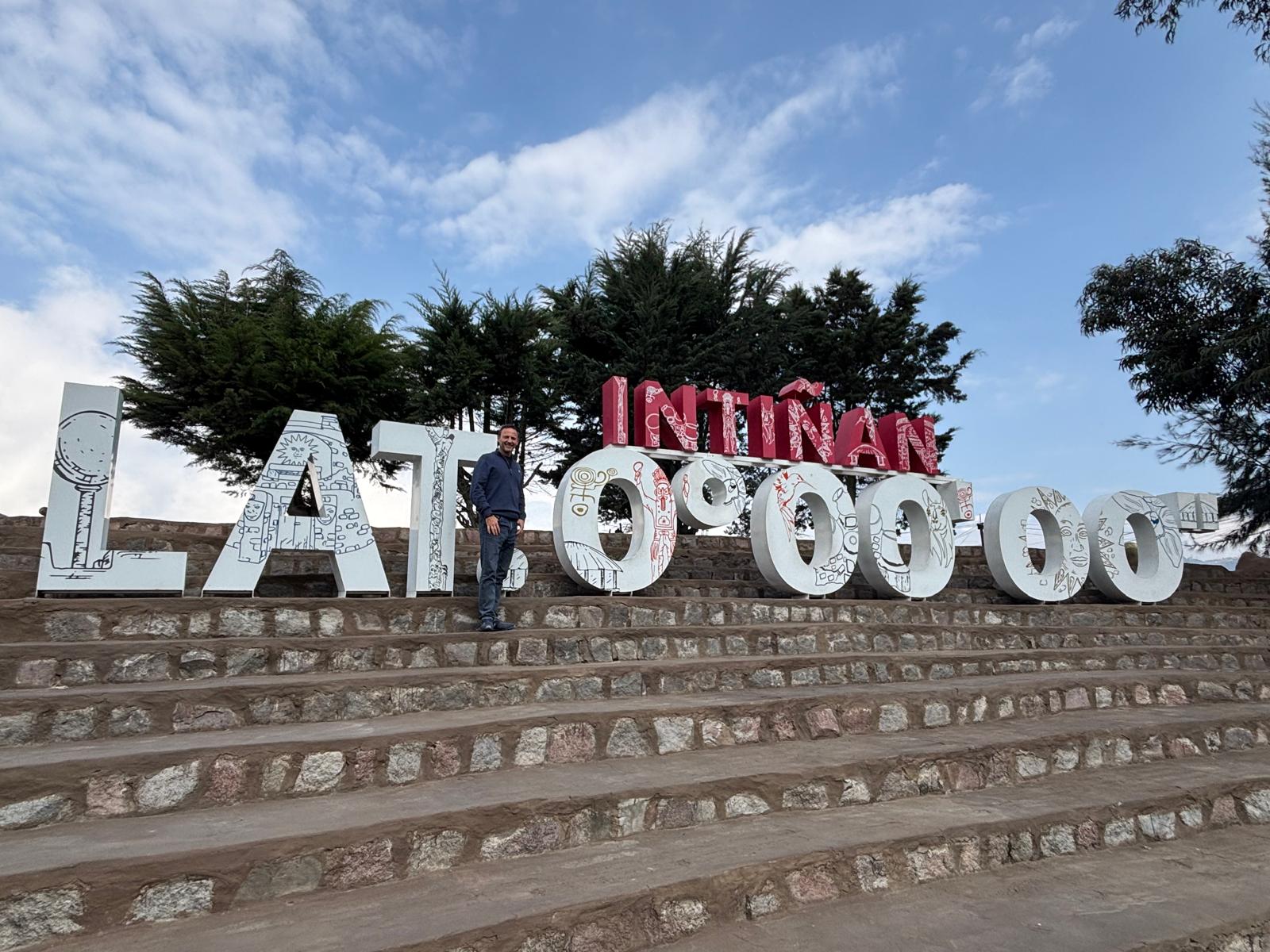
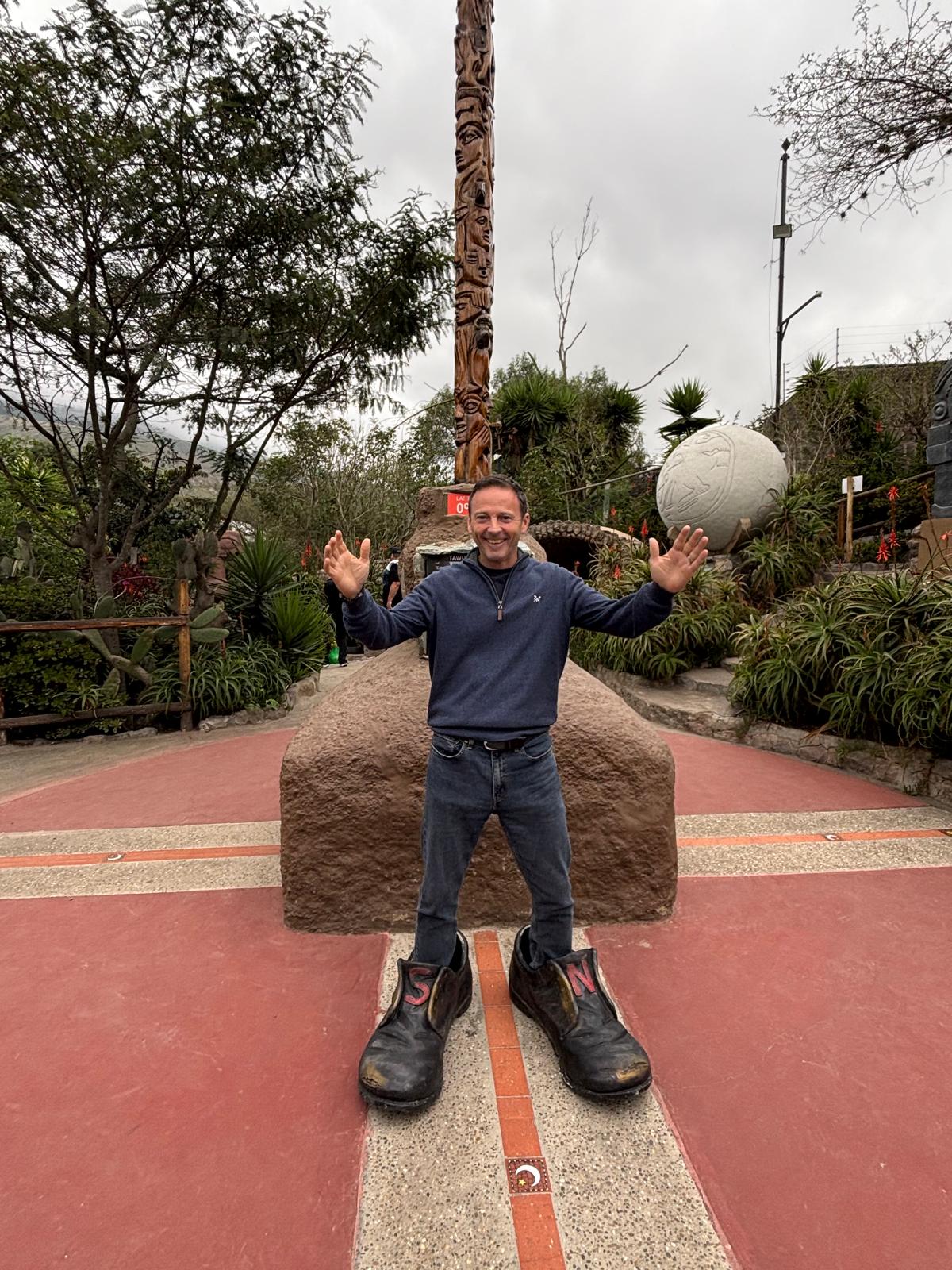
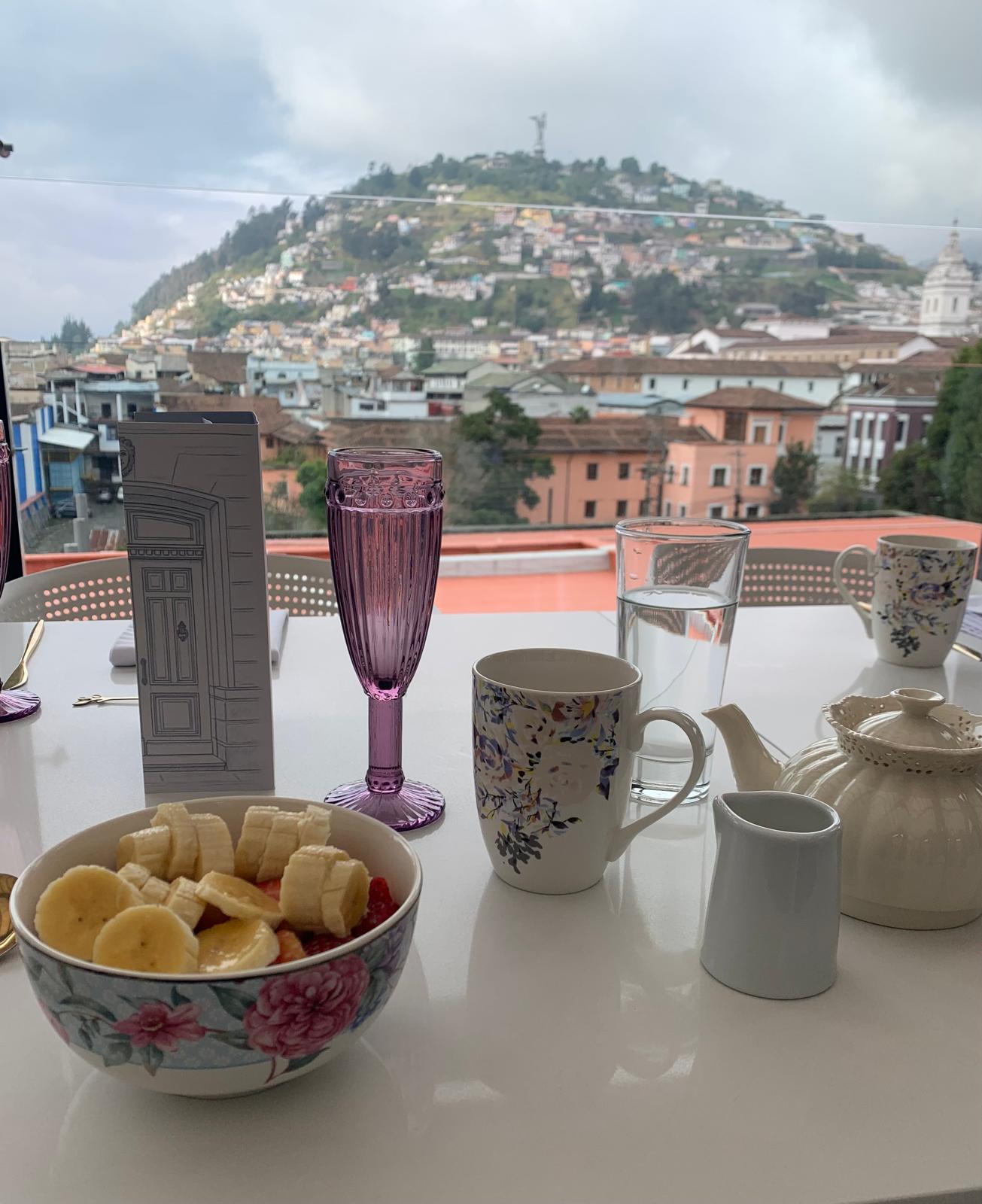
We flew into Quito first, which gave us a real taste of South American culture before the islands even came into view. One of the most memorable stops was the equator line itself, where our guide showed us the famous party trick. Stand on one side and the water swirls down the plughole one way, step across the line and it appears to swirl the other. Science or showmanship, it stopped us in our tracks.
From Quito, we flew out to the Galápagos and boarded the Endemic – our home for the next four nights – a small luxury yacht carrying just 18 passengers that cruises quietly between the islands.
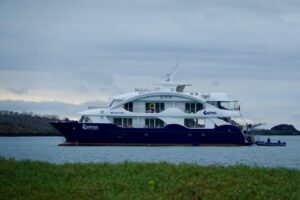
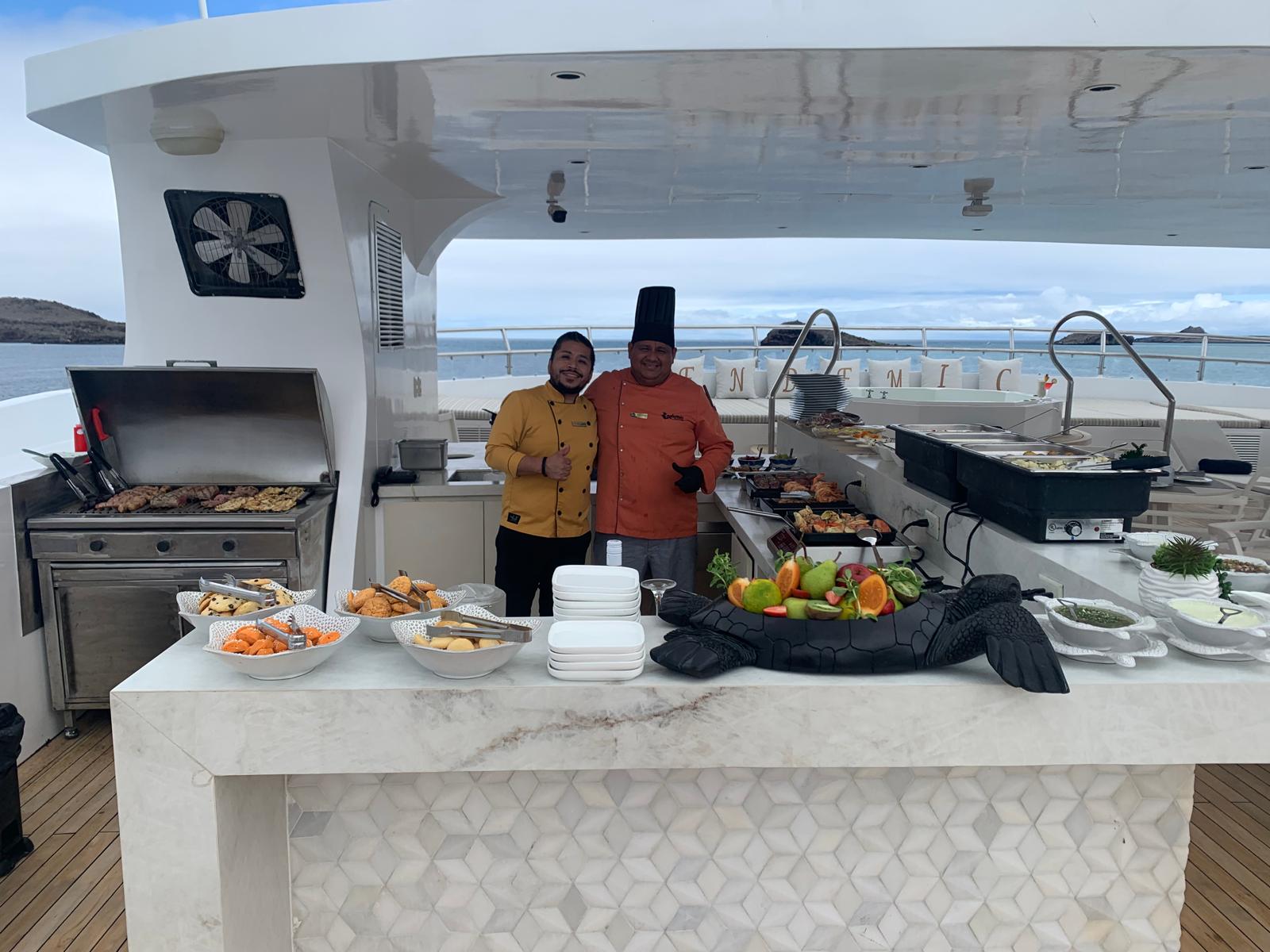
Life on board settled into the most wonderful rhythm: a morning activity, back to the boat for lunch, an afternoon excursion exploring the islands and their wildlife, then dinner. Sometimes that was a barbecue banquet up on the top deck under the stars, other times a proper à la carte meal in the dining room.
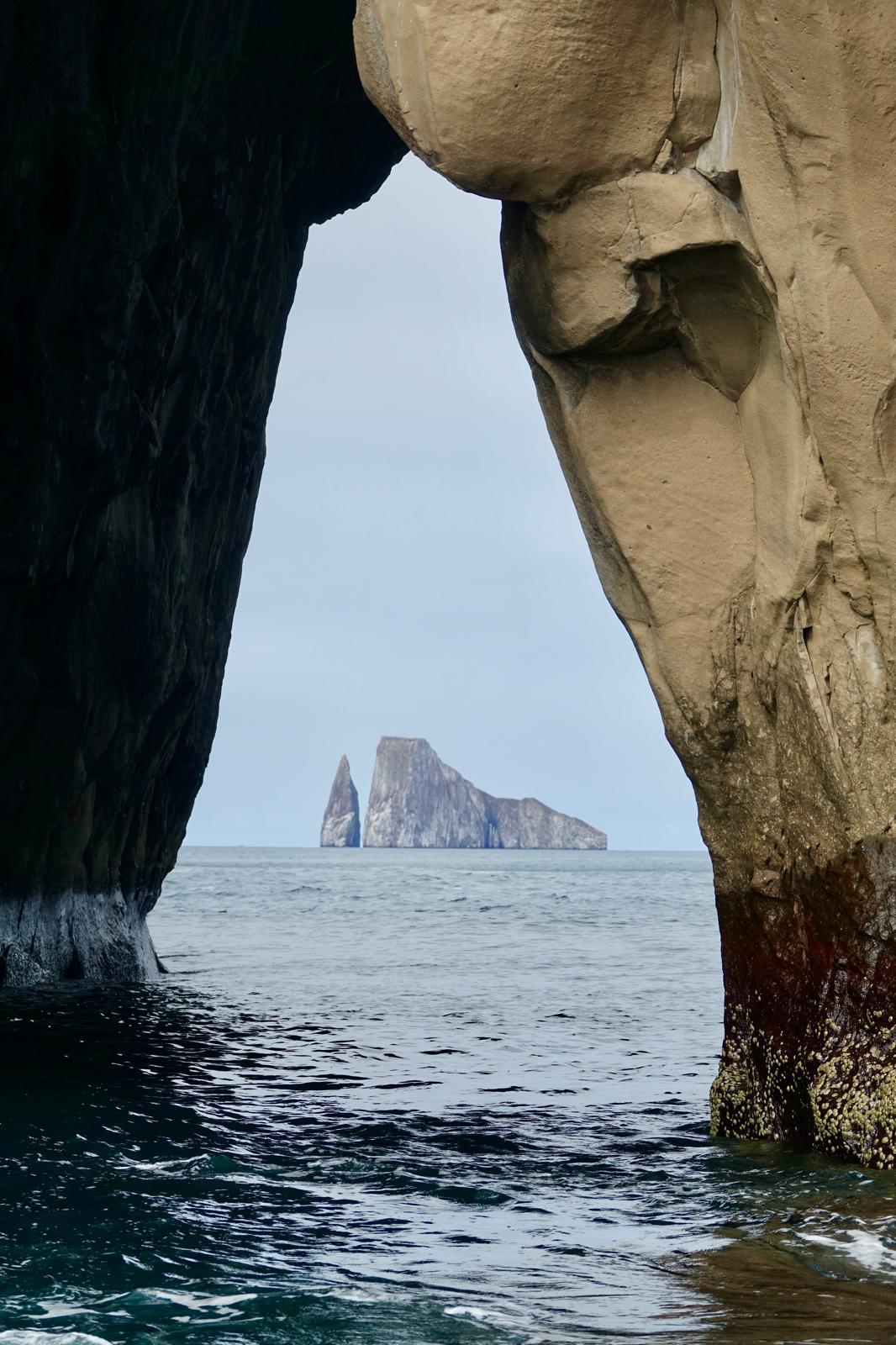
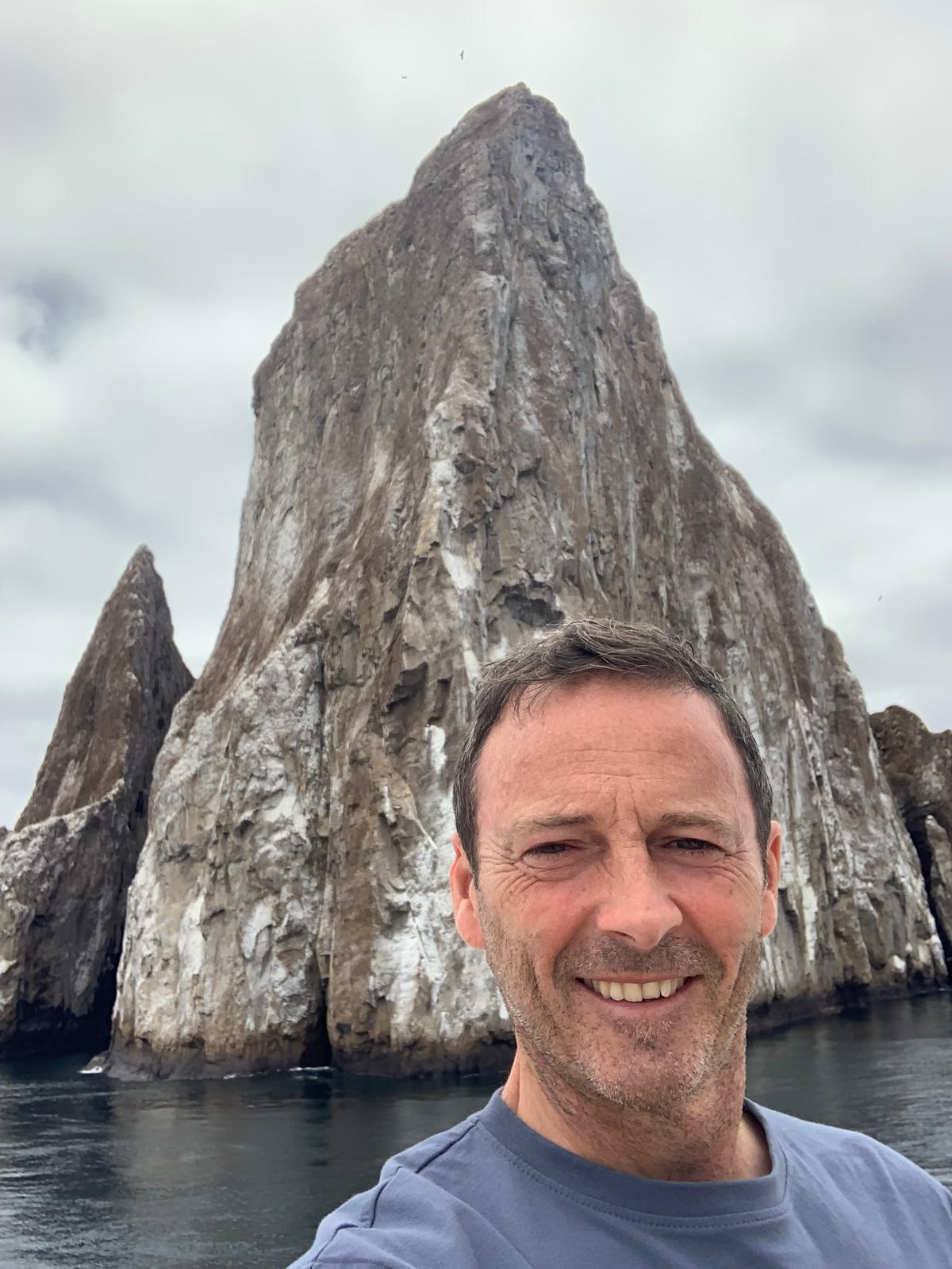
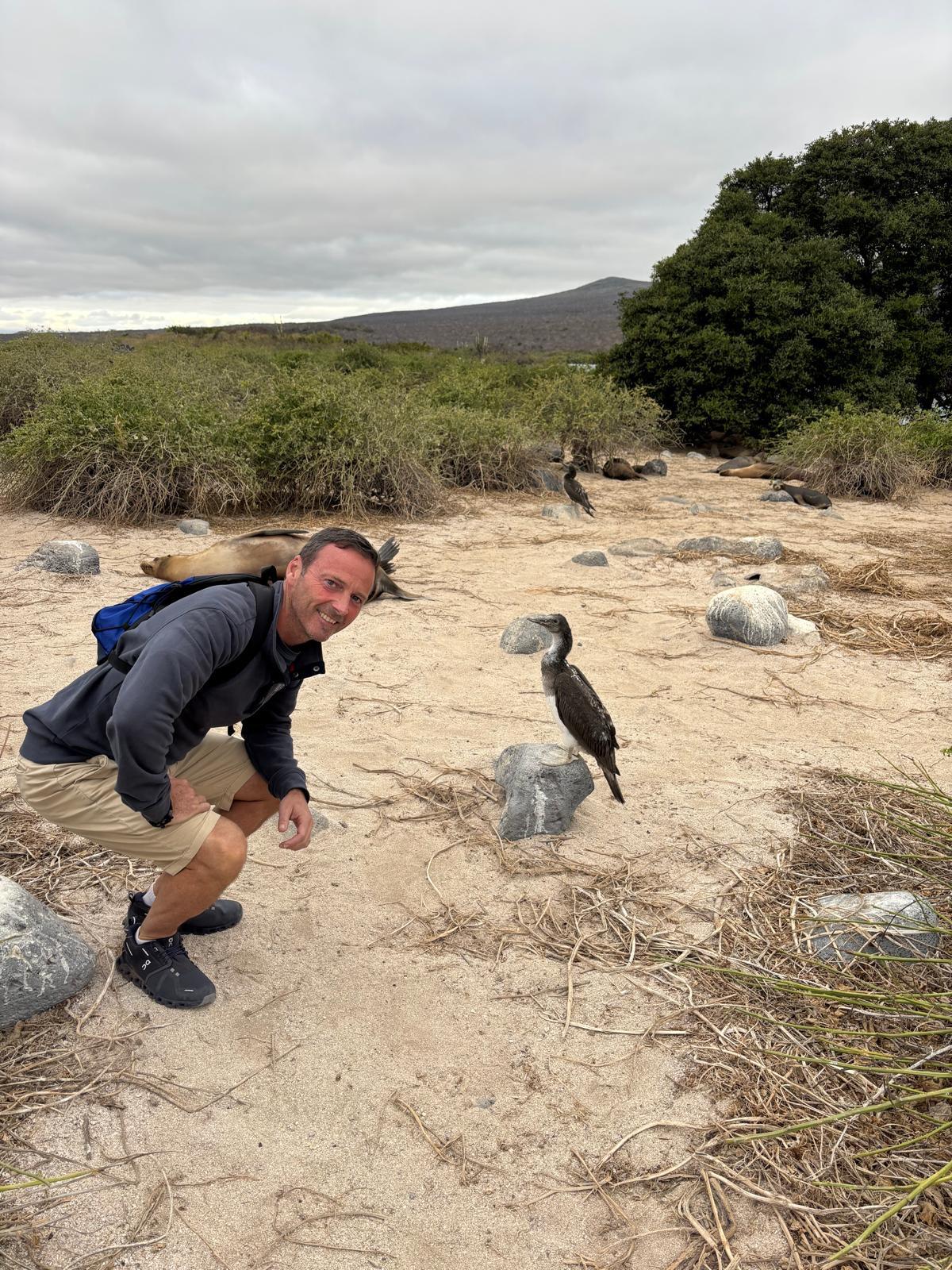
The wildlife really is the whole story here. Galápagos felt completely unlike anywhere else I’ve travelled – untouched – and what struck me most was how close you get to the animals. They simply don’t see humans as a threat, so you’re not observing from a distance; you’re quietly stepping into their world for a while.
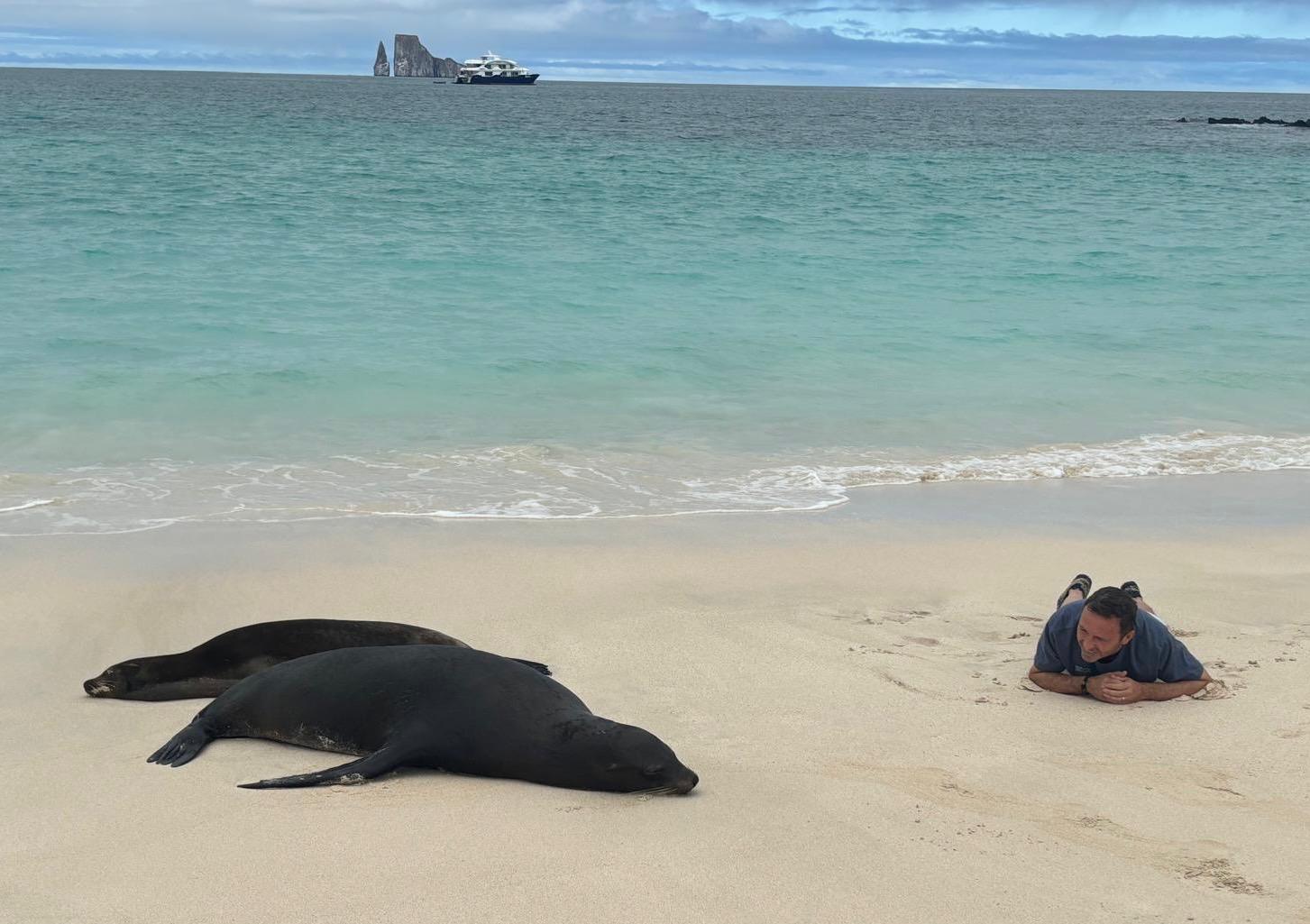
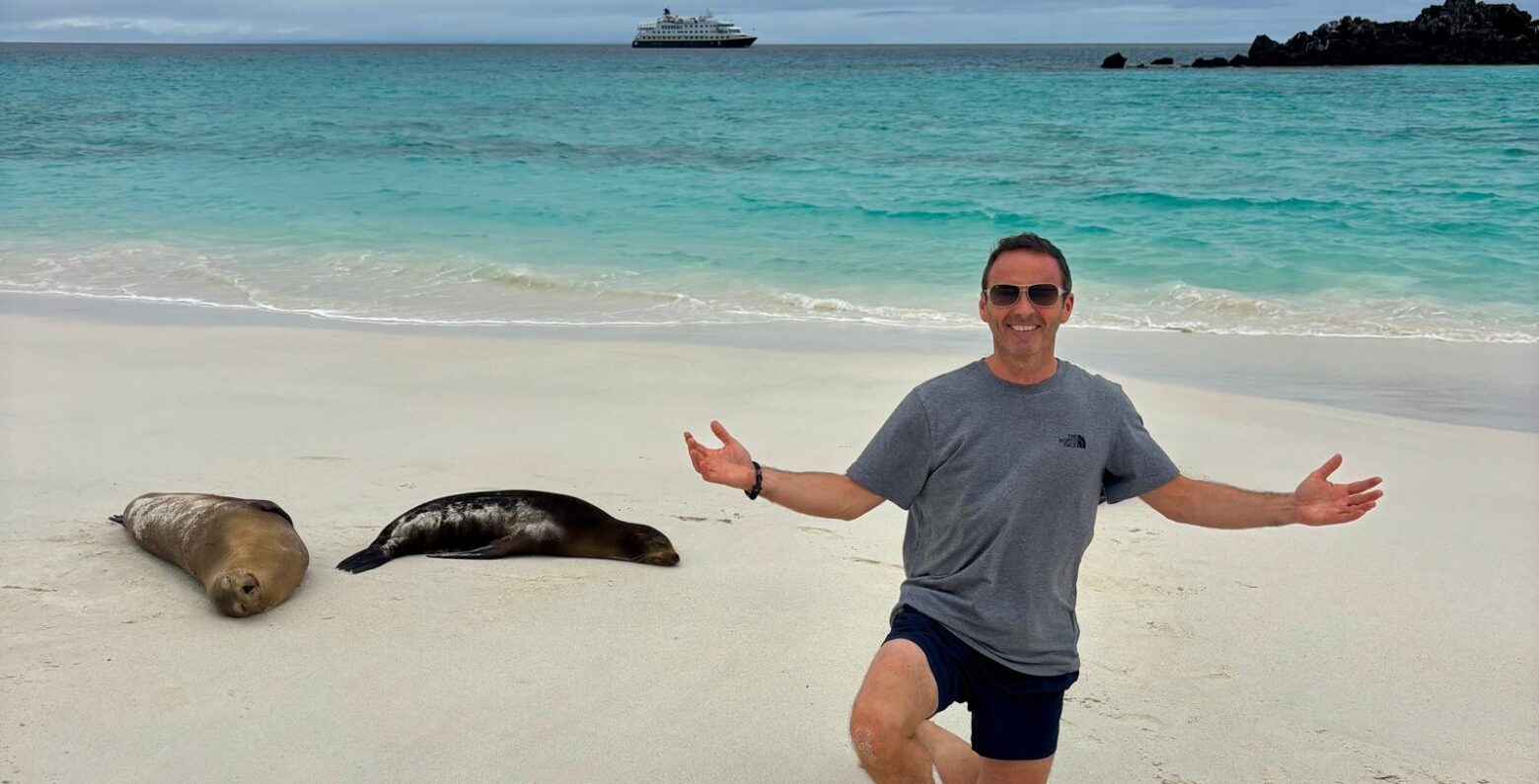
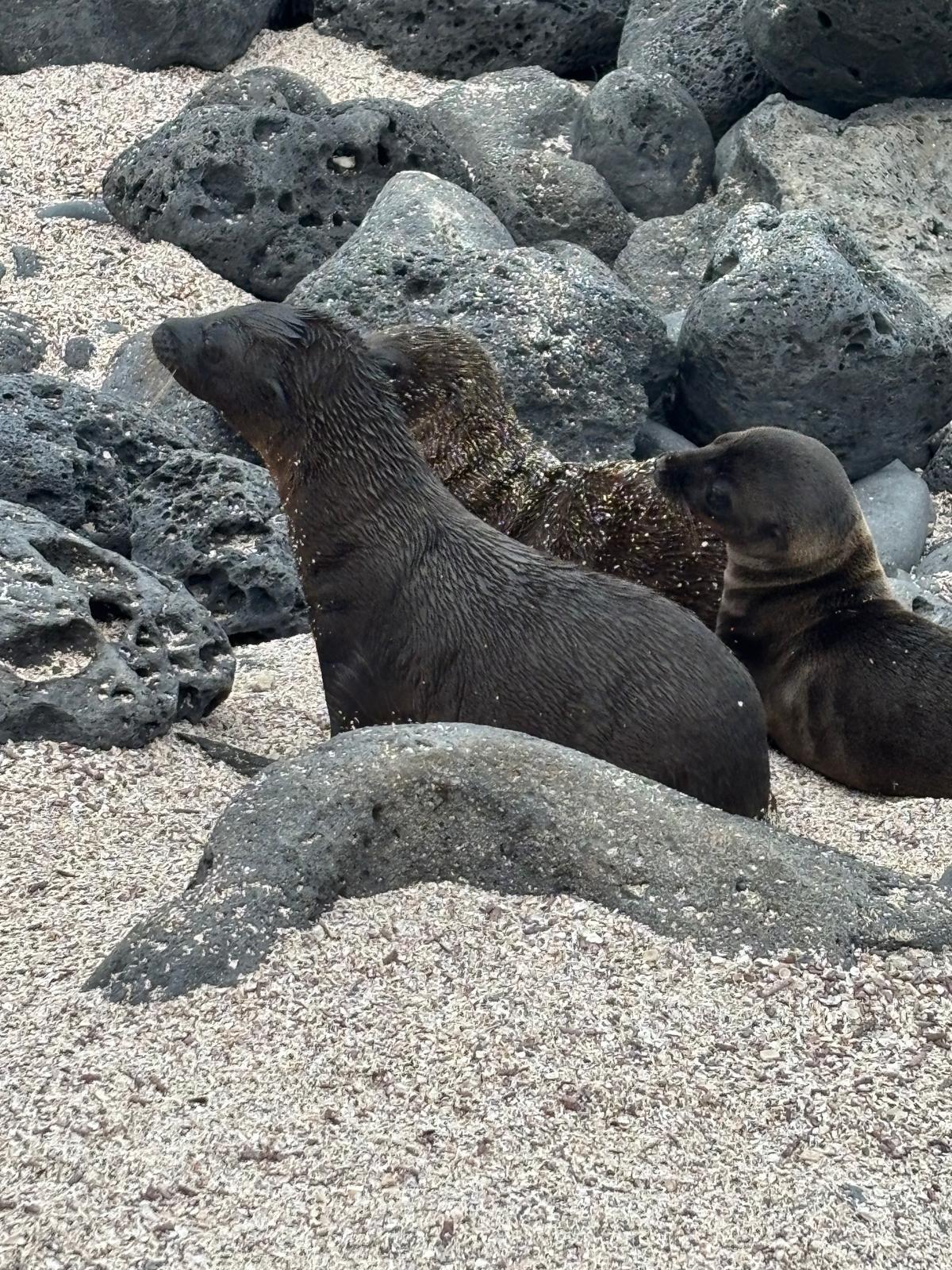
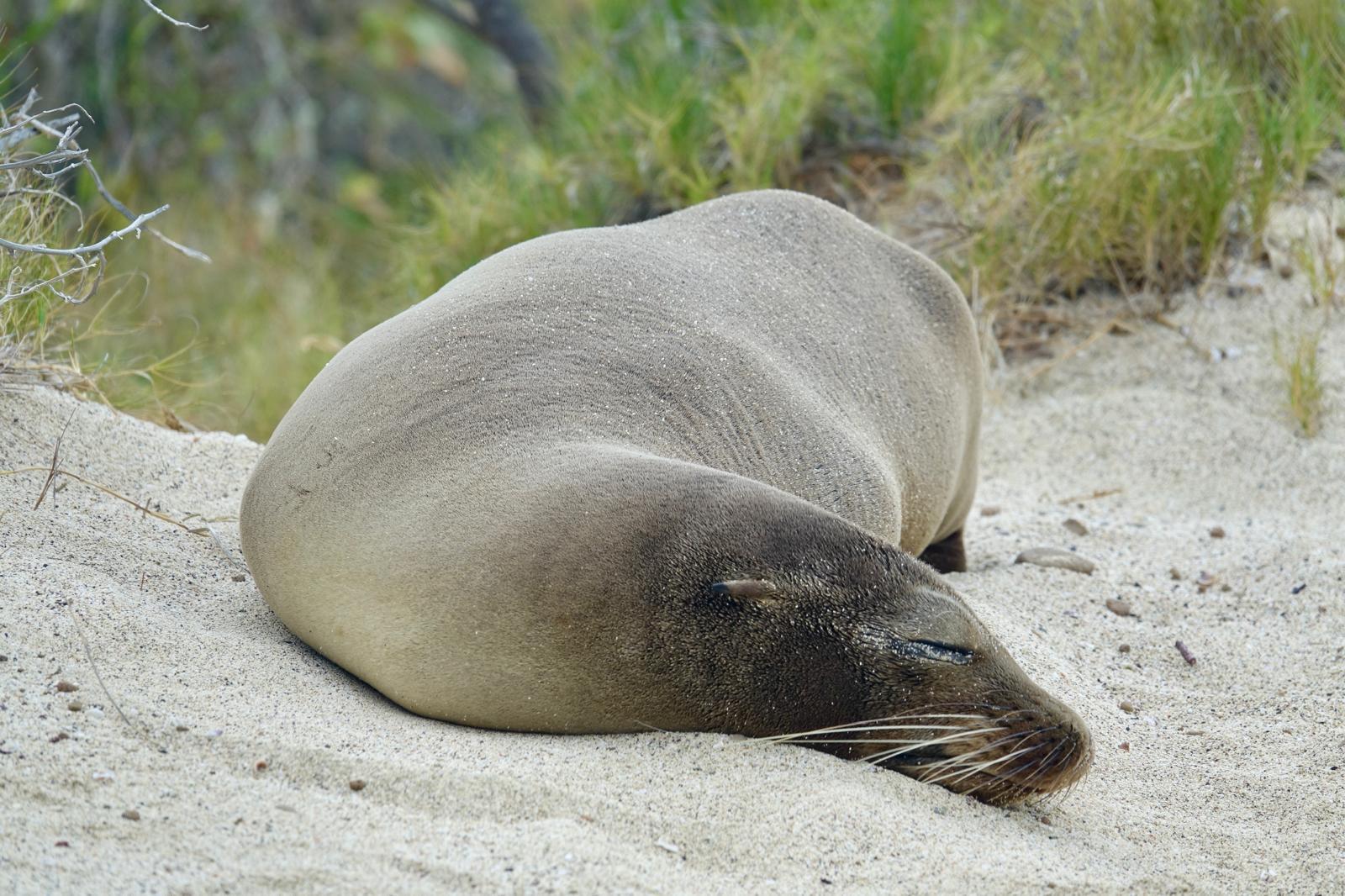
Two moments in particular I don’t think I’ll ever forget. The first was swimming alongside sea lions, completely at ease with us being there, curious and playful in a way you simply can’t script.
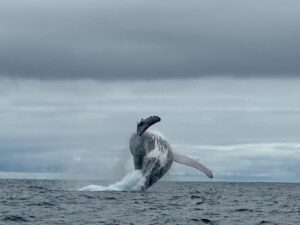
The second was even more extraordinary. Out on a Zodiac, a whale of around 60 feet surfaced with its calf just feet from the boat. We managed to catch it on video, and it still gives me goosebumps watching it back.
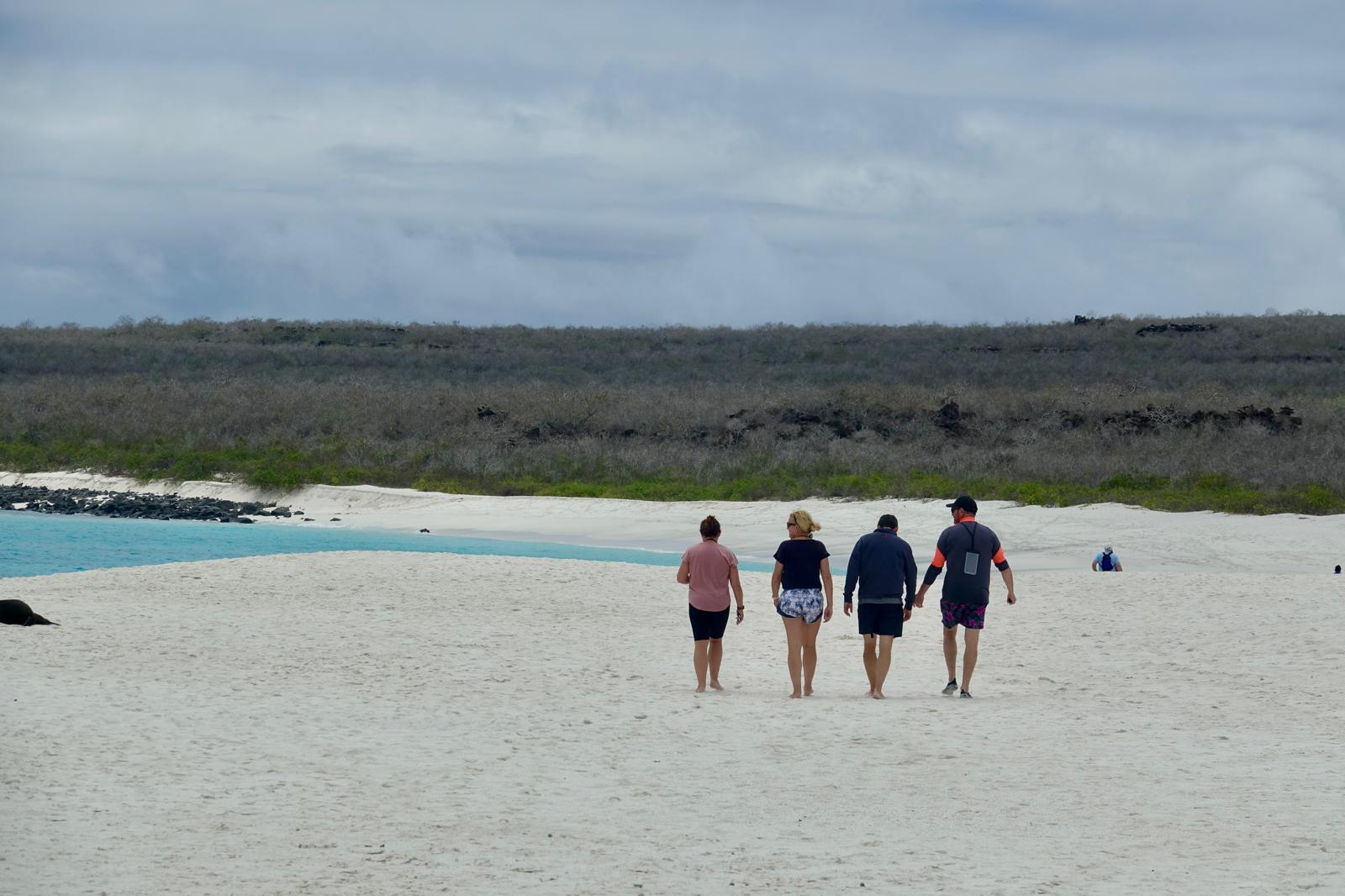
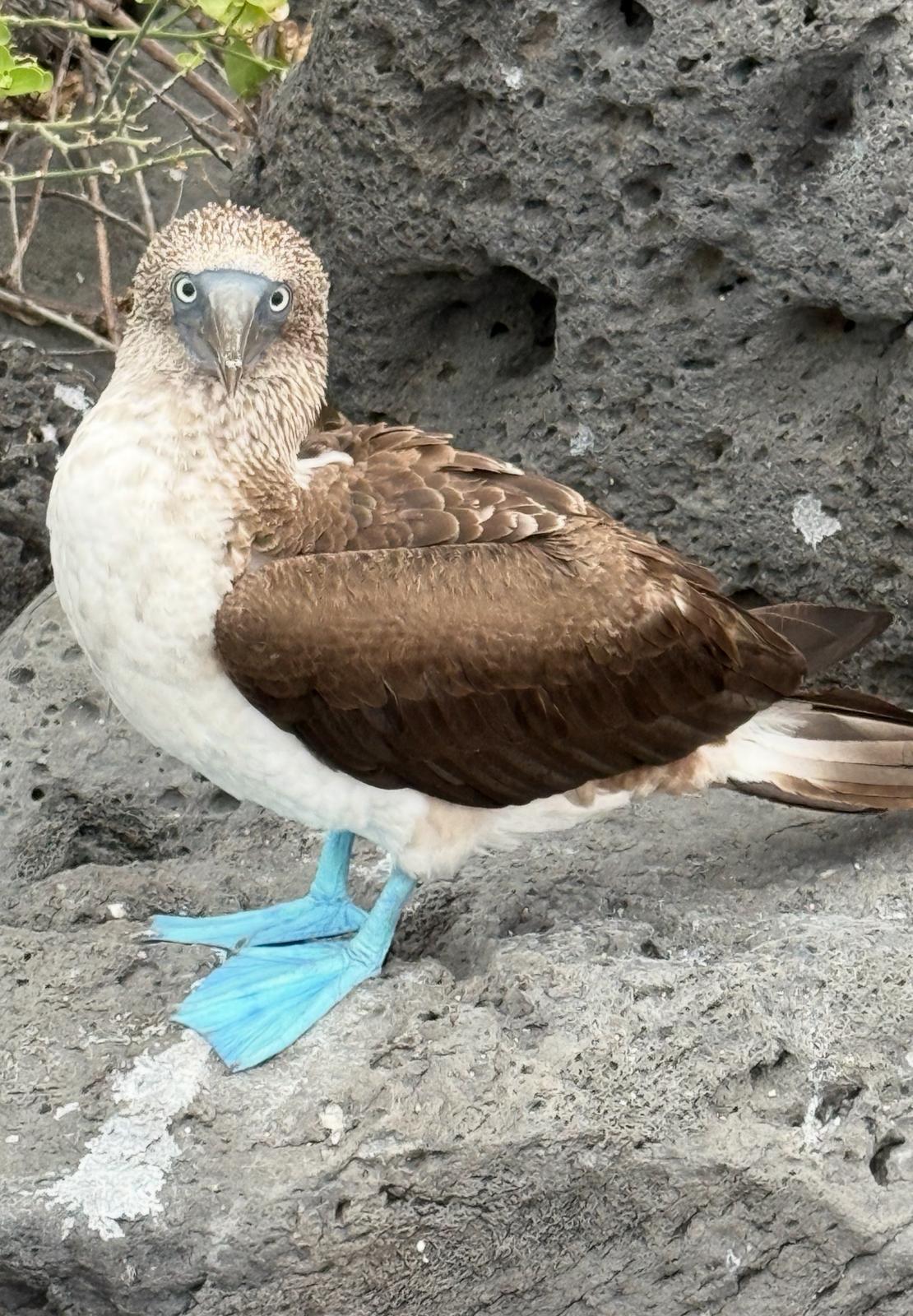
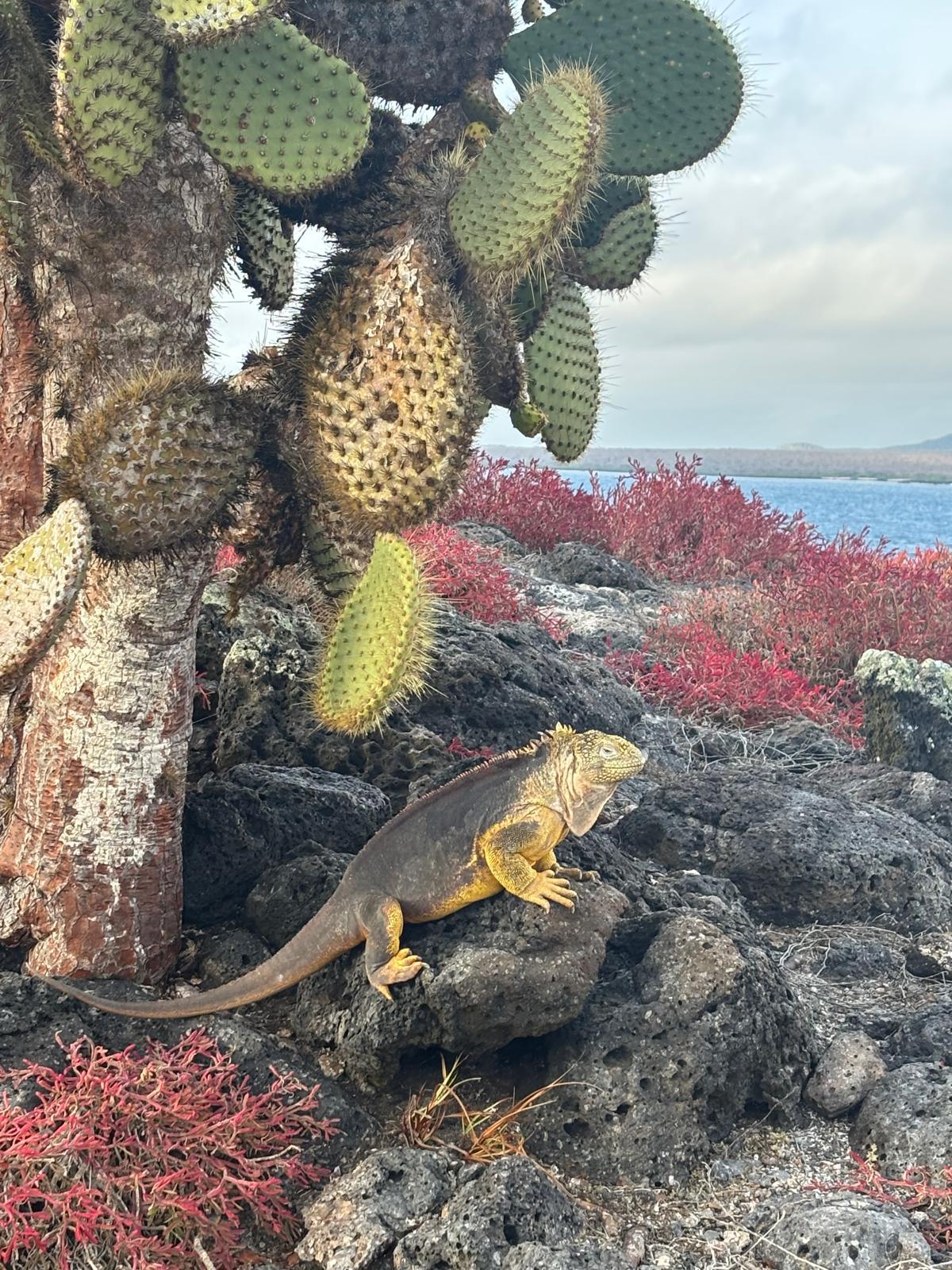
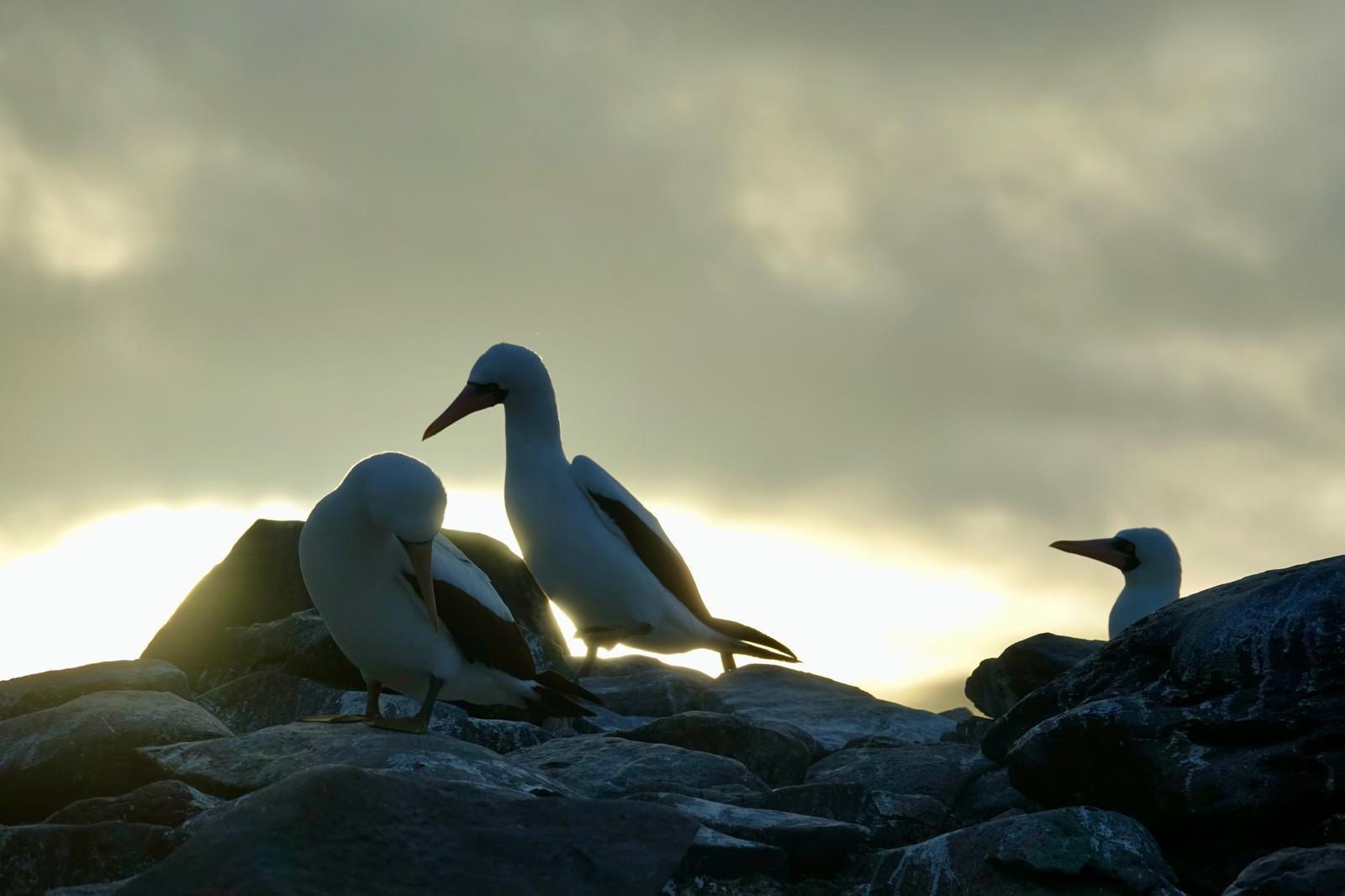
The islands delivered constantly. On Española, we saw the endemic hood-mockingbird and masked and blue-footed boobies, with spectacular views from the clifftop and a swimming beach at Gardner Bay that the sea lions clearly consider theirs too. Santa Fe took us up a trail to see land iguanas among some of the tallest Opuntia cacti in the Galápagos.
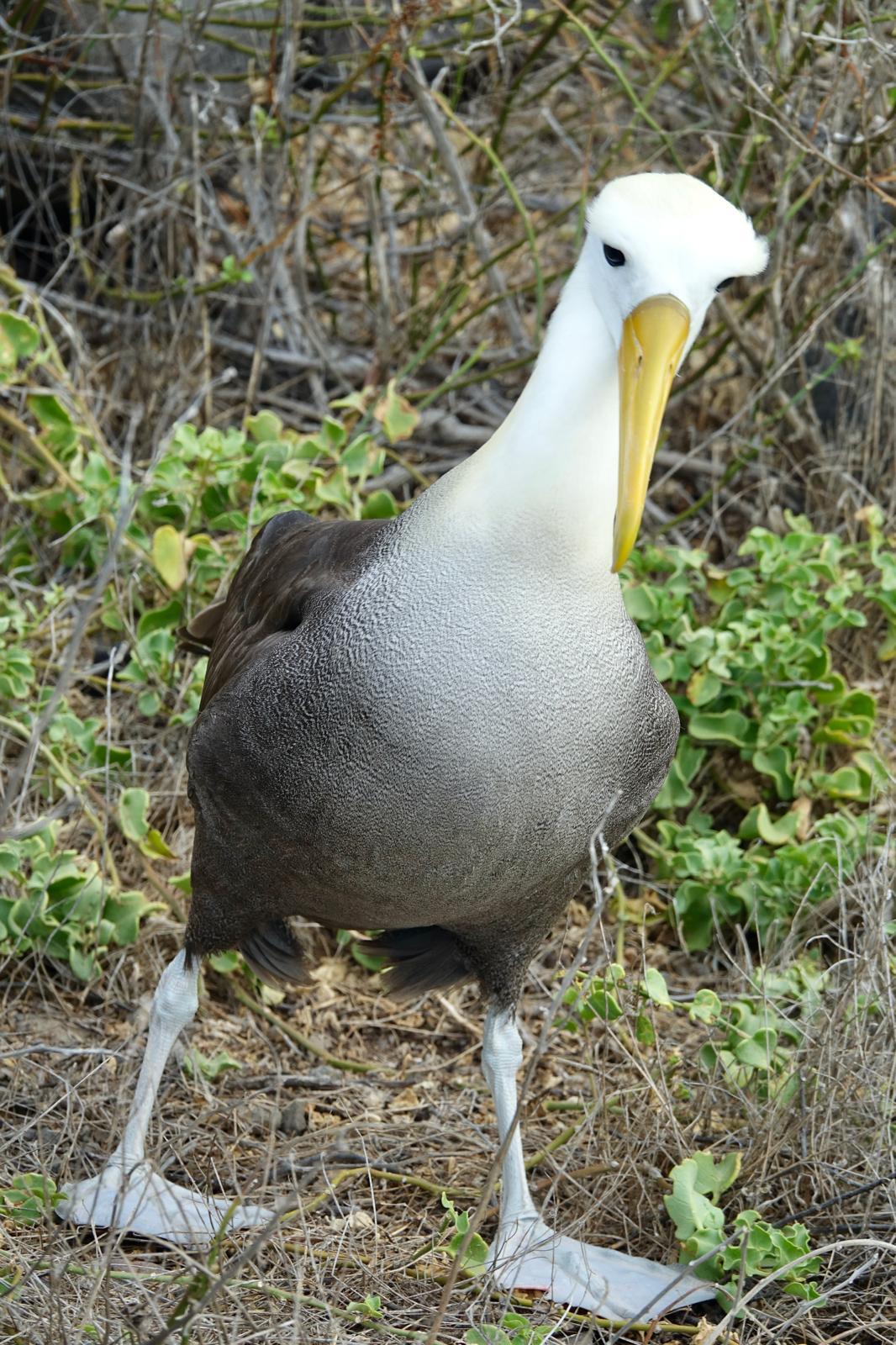
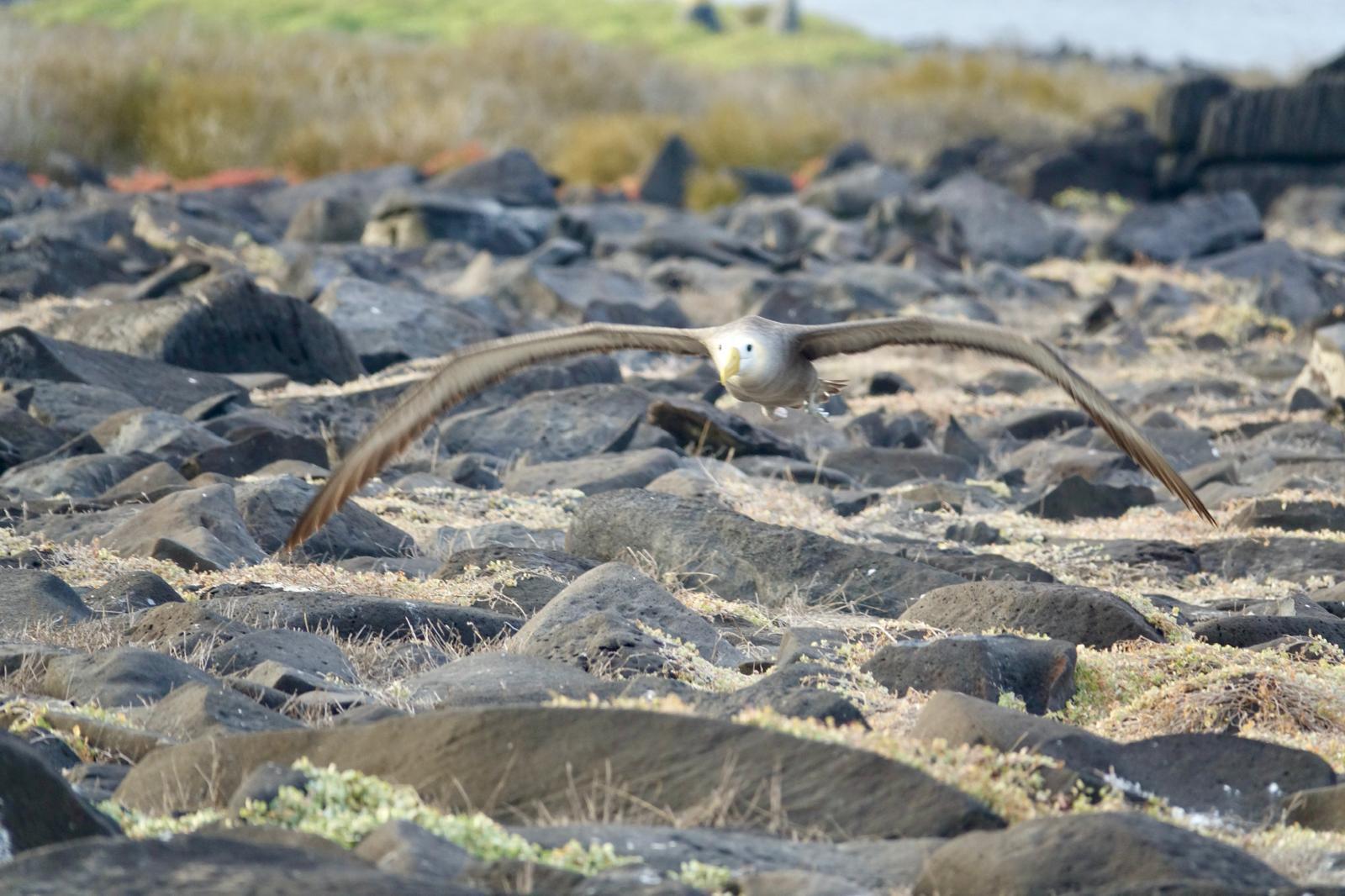
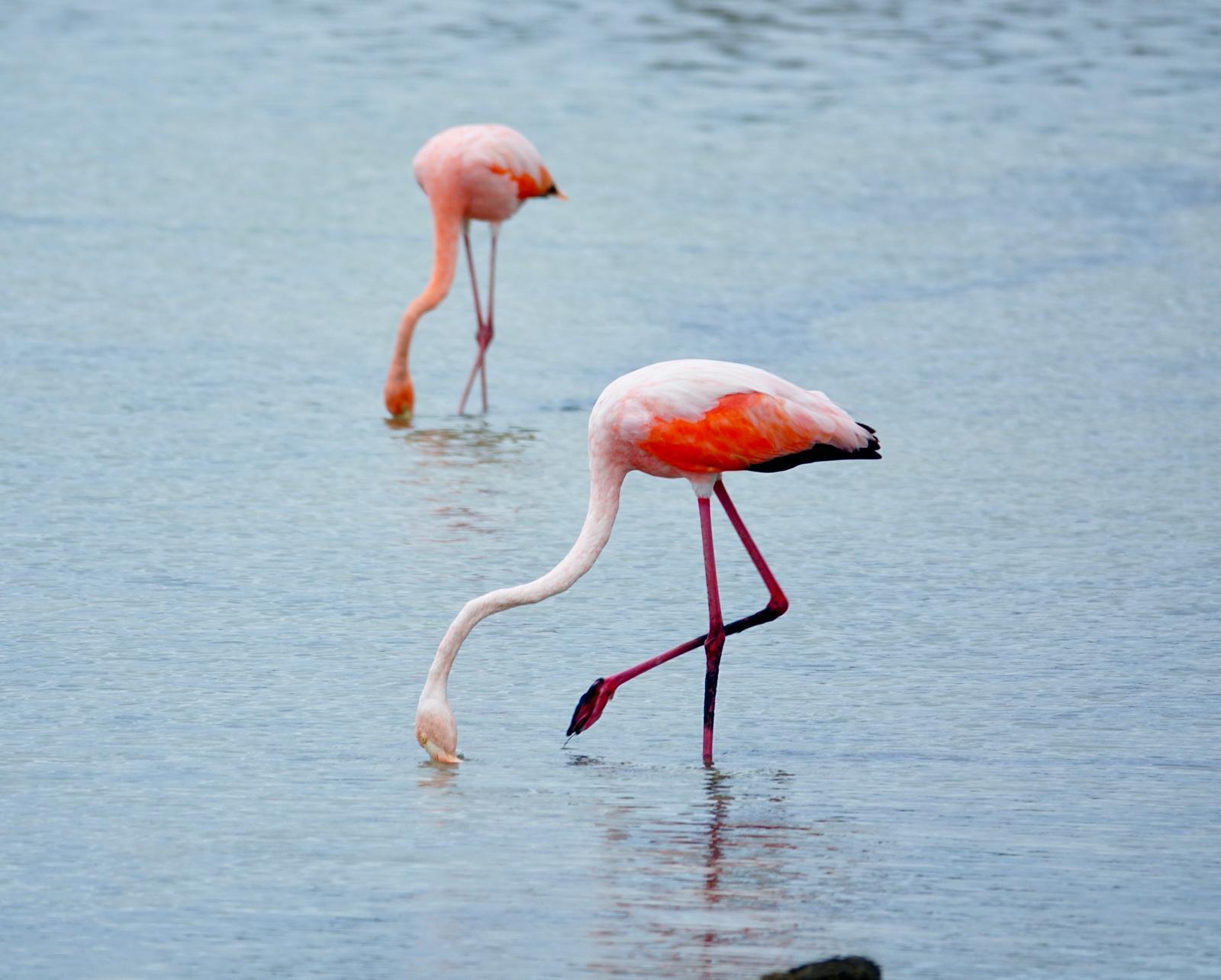
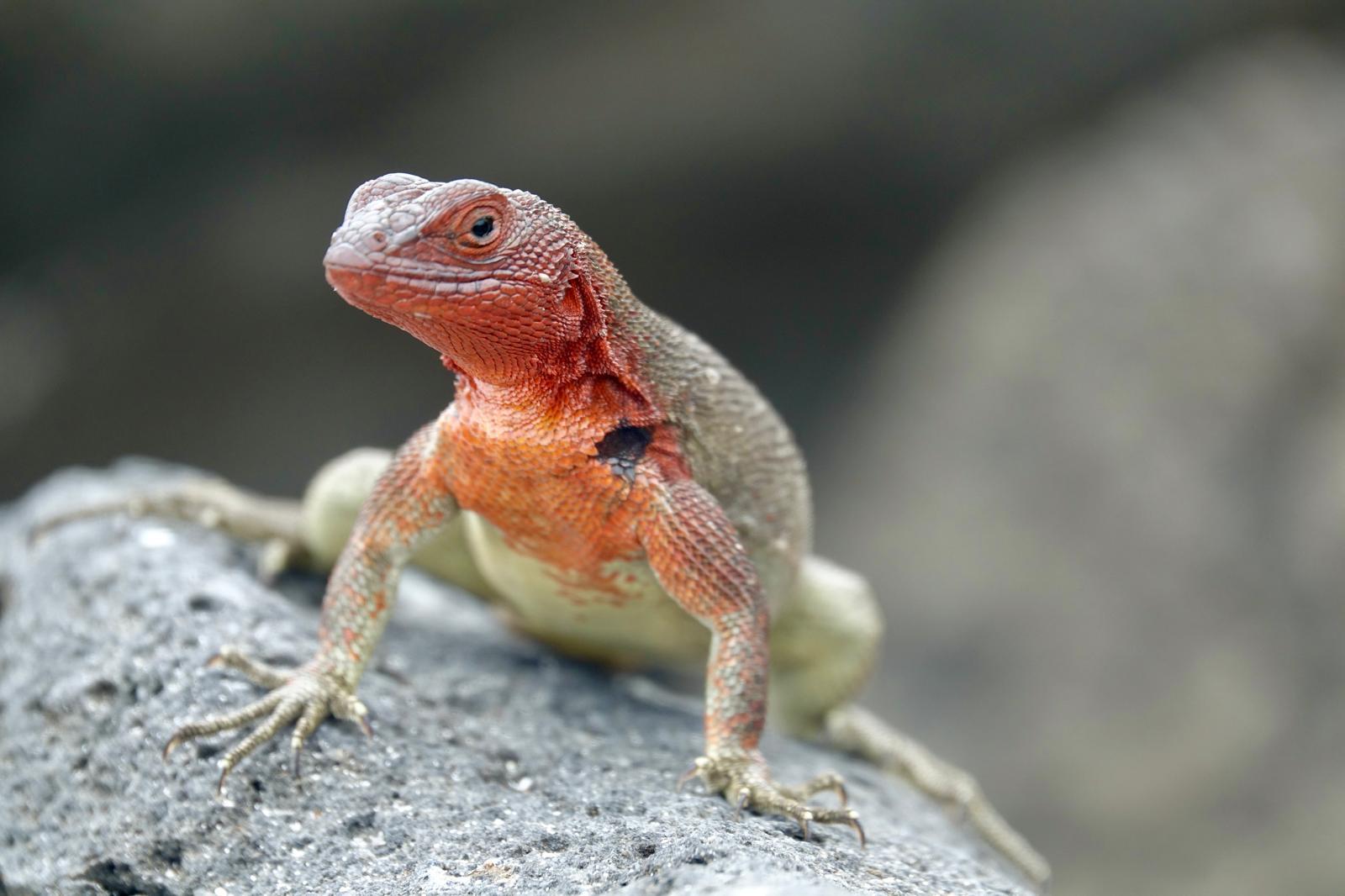
On Santa Cruz, the Charles Darwin Research Station gave a real sense of the conservation work behind it all, with its tortoise breeding centre, before we headed up into the highlands to see giant tortoises in the wild. Each island had its own character, but the constant thread was the amount of birdlife and marine life on show, which is exactly why this place inspired Darwin in the first place.
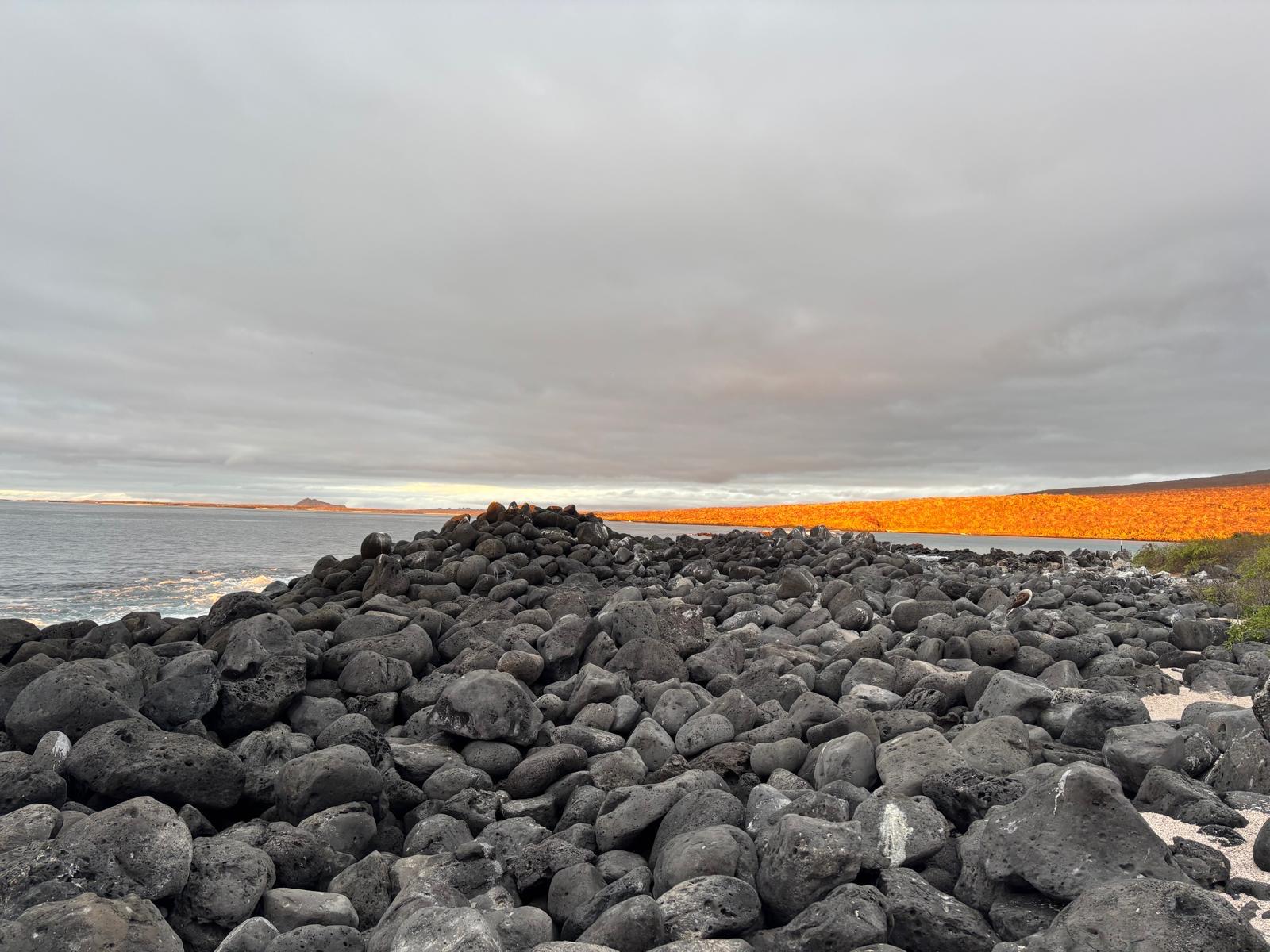
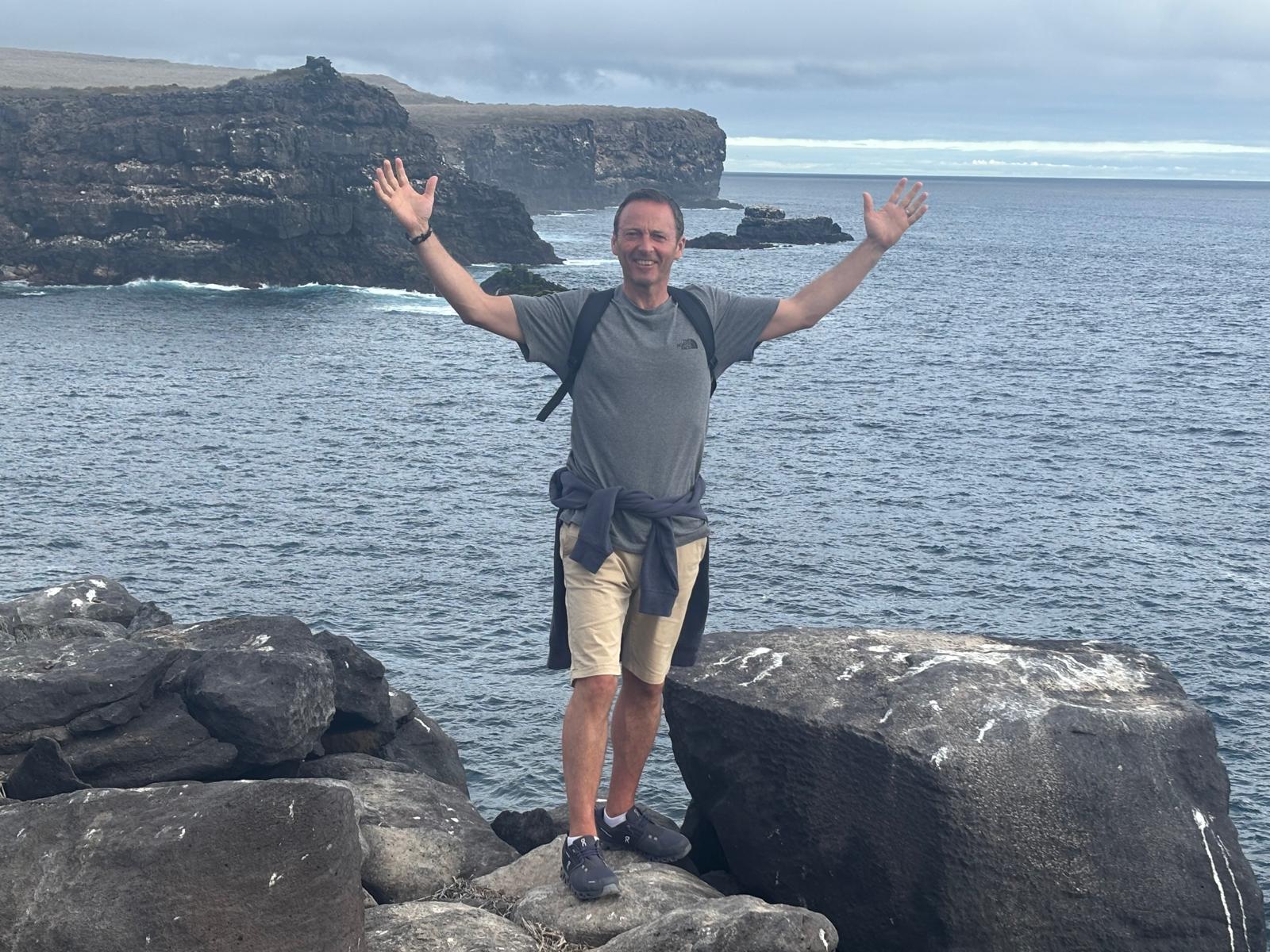
If you want to escape everyday life and visit some of the world’s last untouched islands, with animals at their most natural, this is the place to do it.